
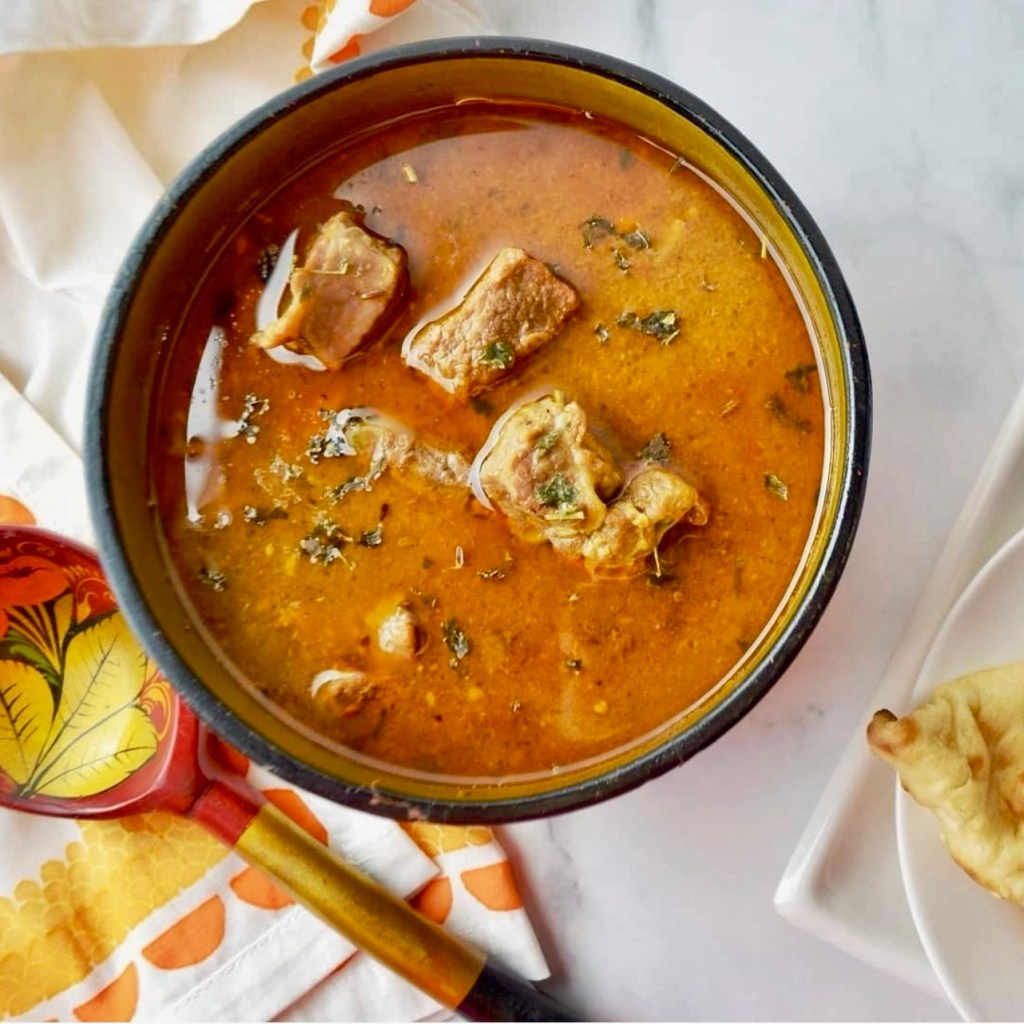
A little piece of history and tradition behind Kunna
Kunna is a rich meat dish which is associated with the city of Chinniot in Punjab. Legend has it that it was actually originated from Mir Pur, Kashmir and became famous as Chinnioti Kunna Gosht when it reached Chinniot. Just like almost all famous food we can only discuss and share these historic culinary stories but can not be absolutely certain about authenticity. Who ever created this scrumptious meal was definitely a genius and we will always be thankful for introducing this gem of a dish to the food world. In Pakistan everyone calls it a Chinnioti specialty.
Kunna is traditionally cooked in a big clay pot over low flame for relatively longer duration of time in ghee. It is made with chunks of mutton ( people make it with beef and chicken too) and has slightly thick and smooth gravy. For Kunna gosht, mutton is supposed to be super tender and ultra moist and juicy even though it is not pan roasted like most meat dishes. The main ingredient that gives Kunna it’s signature aroma and taste is Black Cumin Seed. Most of the time we incorporate white cumin seeds in our cooking but this one requires black cumin seeds.
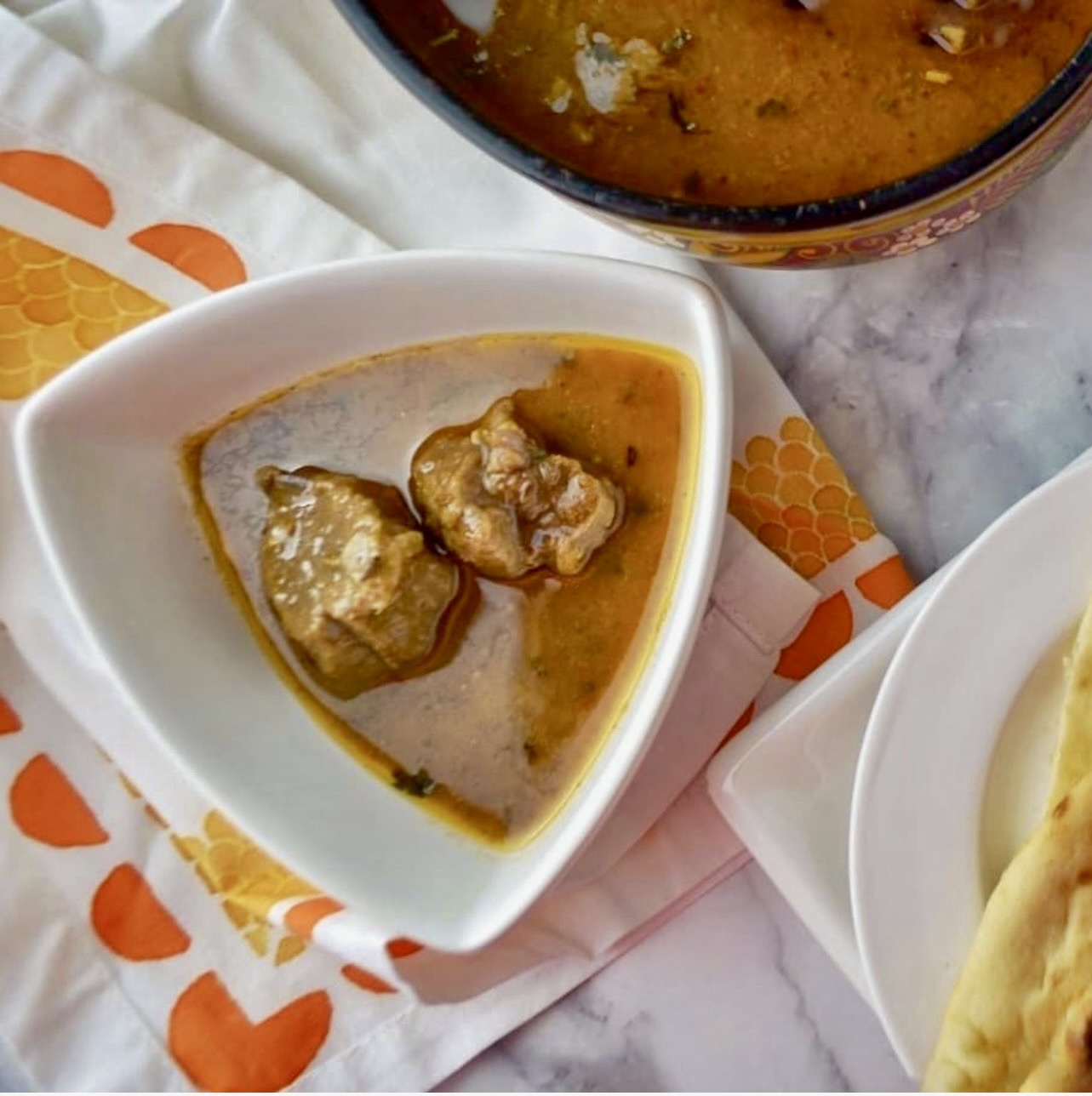
I remember tasting Kunna for the first time at a wedding when I was in grade five. As a child I could tell that its not a regular mutton dish like qorma or mutton gravy. What stayed with me was a unique taste and someone mentioning the word Kunna! Luckily I had few more opportunities to try Kunna at other events so it’s earthy aroma, lusciously smooth consistency and tender juicy meat left their mark on my taste buds. Since it was being served at special events, I assumed that it’s only in pro chef’s cooking domain to create this magic. Later in life and my culinary adventures I discovered that it can be recreated in a regular home kitchen and only required a little courage to give it a try. Yes I have this tendency to keep second guessing myself. I learned this from a chef and she made it look so simple and doable. She explained it in her kitchen with three simple steps:
1-Firstly, ghee is melted in a clay pot and then some sliced onions are softened in hot ghee.
2-Then meat joins the club and gets cooked only for a few minutes at this point, only to get the color changed without browning.
3-With the addition of ginger and garlic paste and basic seasonings and spices it is then cooked over low medium flame for about 90 minutes. Once tender, it is thickened with a paste of water and flour but not as thick as Nihari though.
Pro Tip:
I learned from the chef that the traditional way of using starchy water is to place a small flour dough ball in a bowl of water and let it sit for a few hours.
What happens is that the dough slowly releases starch in to the water and this starchy water is used to slightly thicken the gravy.
Gluten Free Substitute For Thickening:
I simply used a combo of white rice flour and tapioca flour for thickening the gravy while keeping it gluten free. Then it is left on simmer for few more minutes.
Gluten‑Free Kunna Gosht — Slow‑Cooked, Aromatic, and Pure Comfort
If you love slow‑cooked Pakistani comfort food, Kunna Gosht is one of those dishes that instantly transports you to old‑school village cooking — clay pots, wood fire, and that deep, earthy aroma you can smell from a mile away. Traditionally, Kunna is cooked in a large clay pot (matka/handi) over a low flame, letting the meat melt into a silky, slightly thick gravy enriched with ghee and warm spices.
And the best part? This version is 100% gluten‑free, thickened naturally with rice flour and tapioca flour, without losing the authentic texture Kunna is known for.
What Makes Kunna So Special?
Kunna is all about simplicity, patience, and technique. Unlike many Pakistani meat dishes that rely on browning or bhunai, Kunna keeps things gentle. The meat is never aggressively roasted — instead, it’s slowly cooked until it becomes ultra‑tender, juicy, and fall‑apart soft.
The gravy is smooth, slightly velvety, and deeply aromatic thanks to one star ingredient:
Black Cumin Seeds (Shah Zeera)
This is the signature flavor of Kunna. Most of us cook with regular white cumin, but Kunna demands black cumin — it gives that smoky, earthy aroma that makes this dish instantly recognizable.
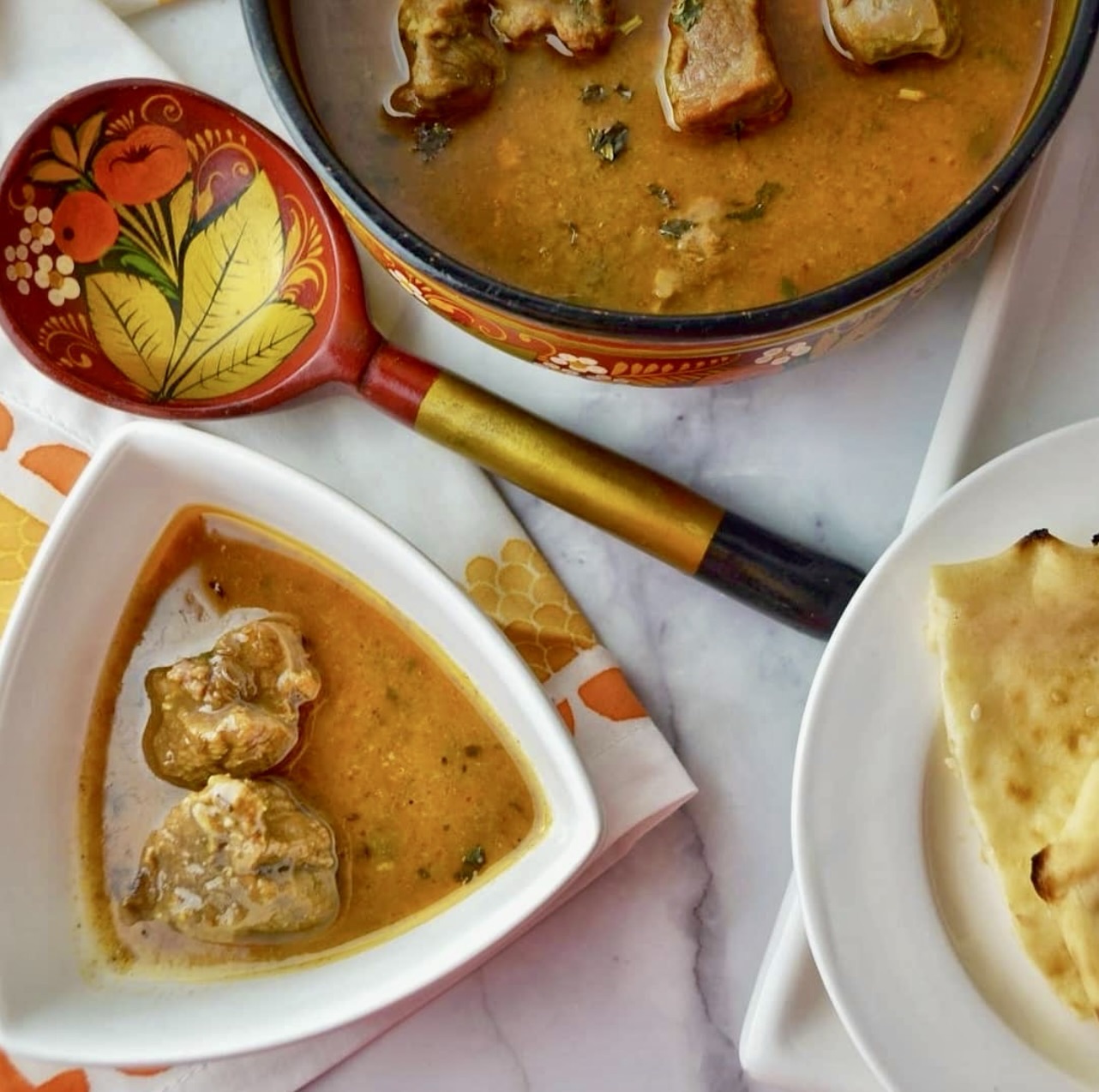
How Kunna Is Traditionally Made
The process is beautifully simple:
- Ghee is melted in a clay pot
- Sliced onions are softened (not browned)
- Mutton is added just long enough to change color
- Ginger‑garlic paste and basic spices join the pot
- Everything cooks low and slow for about 90 minutes
- Once the meat is tender, the gravy is thickened with a flour slurry
- It simmers a few more minutes until glossy and smooth
For my gluten‑free version, I use a combo of rice flour + tapioca flour to get that perfect Kunna consistency — thick but not heavy, silky but not sticky. Think of it as a lighter cousin of Nihari.
Spices That Build the Flavor
Here’s what gives Kunna its warm, earthy, unmistakable aroma:
- Ghee
- Black cumin (shah zeera)
- Red chilli powder
- Coriander powder
- Cinnamon sticks
- Green & black cardamom
- Cloves
- Nutmeg & mace
- Garam masala
- Dried fenugreek (kasuri methi)
These spices don’t overpower — they melt into the gravy and create that deep, comforting flavor Kunna is famous for.
Why Mutton Works Best
Kunna is traditionally made with mutton, and for good reason:
- It becomes incredibly tender with slow cooking
- It releases natural fat that enriches the gravy
- It holds its shape without drying out
But if you prefer, you can absolutely make it with beef or chicken — the method stays the same.
Keeping Kunna Gluten‑Free (Without Changing the Taste)
Most Kunna recipes use wheat flour for thickening, but this version stays fully gluten‑free by using:
- Rice flour — for smoothness
- Tapioca flour — for elasticity and shine
Together, they create the perfect Kunna texture without altering the flavor.
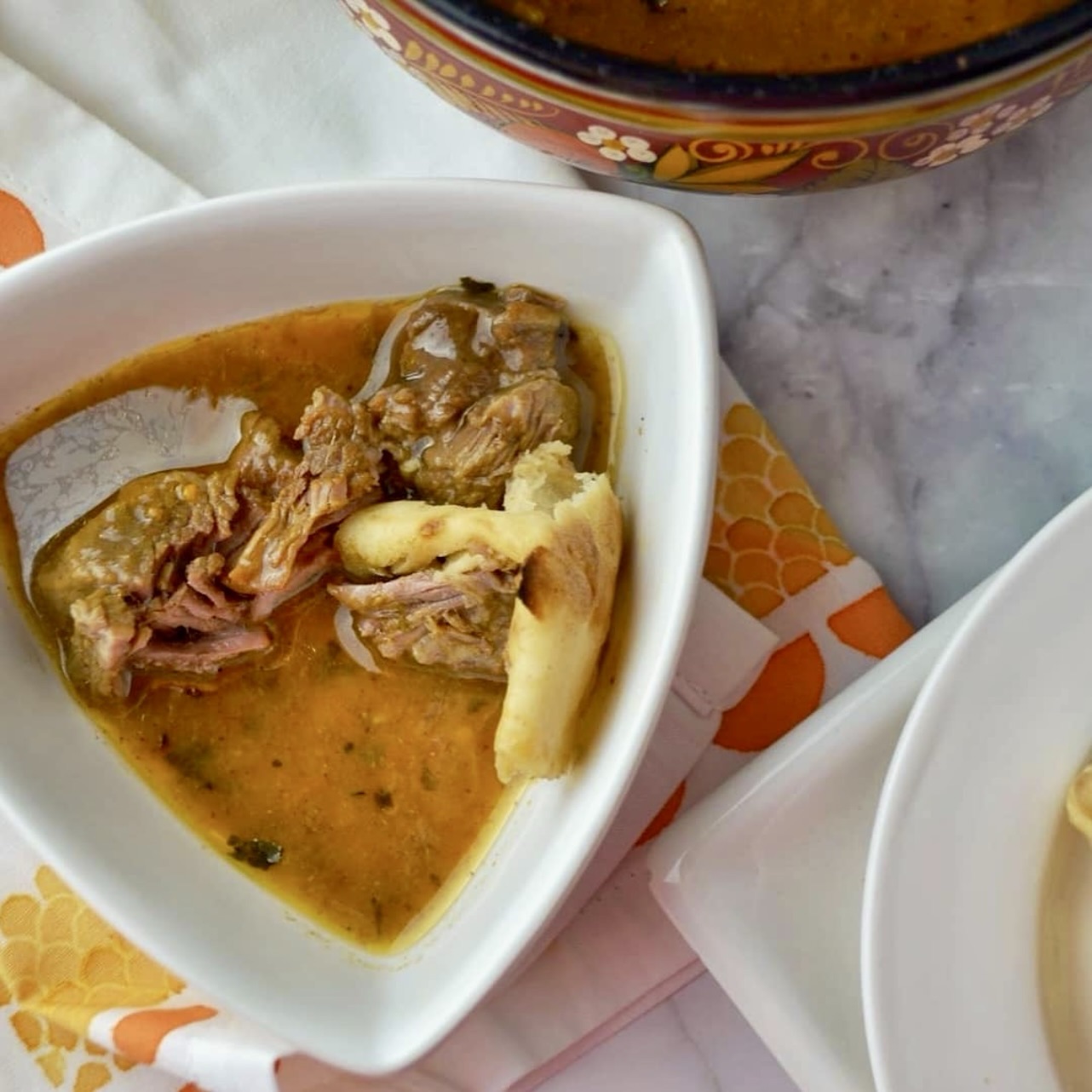
I didn’t have a clay pot so I cooked it in a regular metal pot. Mutton for Kunna gosht has slightly bigger pieces of meat with bones. I used boneless mutton which was cut in medium sized pieces. This will not mess with the flavor of the dish a bit. In general, cut of the meat and it’s size will only effect the cooking length.
Serve it hot with naan/roti. See how tender the meat is! What are we waiting for then? Let us cook..
KUNNA GOSHT
A rich and fragrant meat dish from the city of Chinniot!
Course Main Course
Cuisine Pakistani
Keyword Chinnioti Kunna gosht, Gluten free, kunna, kunna gosht, matka gosht, Pakistani cuisine
Prep Time 5 minutes
Cook Time 2 hours
Servings 8
Author Heenie
INGREDIENTS
- ¾ cup ghee/clarified butter
- ½ cup sliced onion
- 1.5 kg mutton, slightly bigger pieces with bones (I used small boneless pieces)
- 1½ tbsp ginger paste
- 1 tbsp garlic paste
- 2 tsp salt
- 1¾ tsp red chilli powder
- 1 tbsp coriander powder
- ½ tsp tumeric powder
- 2-3 small pieces cinnamon sticks
- 2 black cardamoms
- 4-5 green cardamoms
- 6-7 whole black pepper corns
- 4-5 cloves
- 1 litre water
- 1 tbsp white rice flour
- 1 tbsp tapioca flour
- ½ cup water
- 1 tbsp black cumin seeds
- 2 tsp dried fenugreek leaves (methi in Urdu)
- 4-5 whole dried red chillies (or use ⅓ tsp crushed)
- ¼ tsp nutmeg powder
- ¼ tsp mace powder
- 1¼ tsp garam masala powder
INSTRUCTIONS
- Melt ghee in a clay pot or regular pot and add sliced onions.
- Cook over medium flame for 2-3 minutes, while stirring, till softened. Make sure onions don’t get any color.
- Add meat pieces and cook for 3-4 minutes only till color changes.
- Add in ginger paste and garlic paste.
- Add in salt, red chilli powder, coriander powder and tumeric powder. Stir well.
- Add in black and green cardamoms, cloves, cinnamon sticks and black pepper corns.
- Pour in one litre of water. Cover the pot and let it cook over low medium flame for about 90 minutes.
- Make a paste of white rice and tapioca flour with half cup of water and add to the cooking meat while stirring to avoid and lump.
- Lower the flame to simmer. Add in black cumin seeds, dried fenugreek leaves, red chillies, nutmeg and mace. Cover the pot and let simmer for about 20-30 minutes.
- Switch the flame off, sprinkle garam masala and serve hot with naan/roti.
RECIPE NOTES
- If you don’t have any gluten restrictions then used regular fine white wheat flour.
- Check seasonings before serving.
- If you don’t prefer ghee, use cooking oil.
- Do not substitute black cumin seeds with white cumin seeds.
- It doesn’t require ginger, lemon and coriander garnish while serving.
Substitutions:
Choice of Meat:
You can absolutely use beef or chicken for the recipe. It will require adjustment in cooking duration.
Cooking Utensil:
No clay pot or handi or matka, go ahead and use and regular non reactive pan. Since meat doesn’t require pan searing, a non stick or ceramic pan would work too.
Ghee:
Don’t like ghee? Use any neutral flavor oil, like Olive oil or Avocado oil.
Seed oil will work too, like canola, sunflower oil, corn oil.
Serving Suggestion:
Serve with naan or tandoori roti or any thick bread. We need some sort of thick and dense roti or naan to soak in the gravy.
Nutrition Facts
Servings Per Recipe: 8
Calories: 279
Total Fat: 12.1g
Saturated Fat: 6.8g
Cholesterol: 41mg
Sodium: 9712mg
Total Carbohydrate: 35g
Dietary Fiber: 2.4g
Total Sugars: 0.8g
Protein: 8.1g
Vitamin D: 0mcg
Calcium: 49mg
Iron: 2mg
Potassium: 304mg


Leave a Reply